Dangers Lurking on the Dark Web or the Hidden Wiki

Dark Web - Hidden Wiki Things

The anonymity of the dark web’s hidden wiki allows illegal and unethical activities to flourish unseen. Understanding these dangers provides perspective on the darker corners of the Internet.

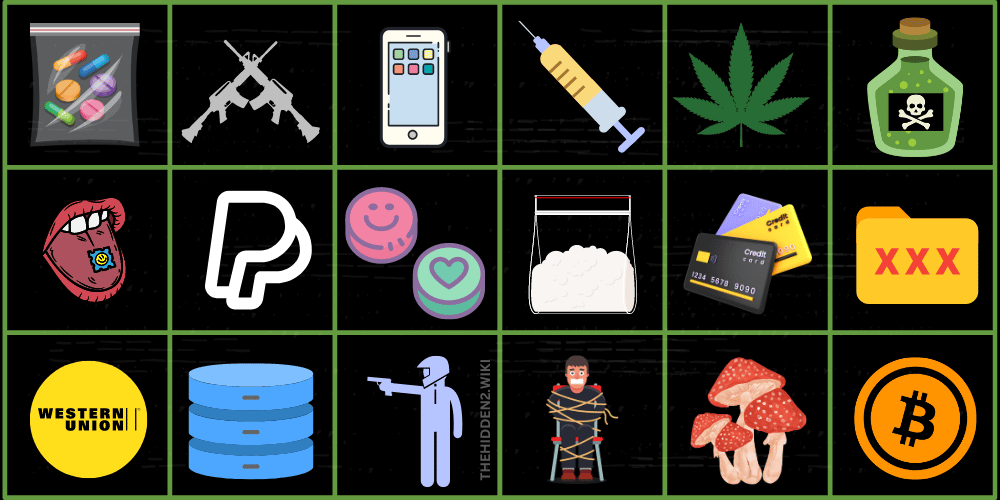
Some of the more sinister elements hosted on hidden wiki dark web markets and forums include:

  • Sale of illegal drugs, firearms, and pharmaceuticals
  • Distribution of child exploitation and pornography
  • Trafficking of stolen data, hacked information, and malware
  • Scams and phishing schemes designed to steal money and identities
  • Predators targeting victims with minimal risk of detection
  • Human trafficking operations that deal with modern slavery

The hidden wiki also enables whistleblowers and political dissidents to share classified data and criticize oppressive regimes. However, the many illicit temptations and threats outnumber this valid political speech.

Criminals, hackers, and bad actors operate on the hidden wiki’s dark web with impunity. The anonymity empowers all objectionable and dangerous behaviors hidden from authorities and public scrutiny.

Real dangers lurk in the unruly hubs of the encrypted Internet. But, insights into this hidden wiki can improve public discourse on online privacy, oversight, and security issues.

The deep web has a lot of regular private stuff, and the hidden wiki on the dark web is a hidden place where crime happens. We need to stop believing exaggerated stories about the hidden wiki or the dark web but still care about the private stuff on the deep web. Knowing the truth helps us protect privacy better and find ways to stop dangerous secrets. 

What Lies Ahead – Anticipating Hidden Wiki’s Future in 2024

Hidden Wiki - 2024

What is the Hidden Wiki?

The hidden wiki is a dark web website that contains links to various websites and resources not indexed by standard search engines.

The hidden wiki has legitimate uses but is well known for indexing illegal and illicit content on the dark web. 

Who uses the Hidden Wiki? 

Journalists, whistleblowers, and news media utilize hidden wikis to safeguard their anonymity when reporting on or exposing government actions. These platforms serve as a shield to protect their identities while they criticize and investigate government activities.

Hackers use hidden wikis to upload illegal and legal documents of a company they hacked and sell the data for ransomware. This is to hide the anonymity. Hackers often do this for ransomware. 

Users of the hidden wiki mostly visit the illegal websites on the dark web to buy and sell illicit products. 

The common trade on the dark web sites will be stolen credit cards and their credentials, drugs, weapons, pirated movies, software, etc., 

How to surf the Hidden Wiki safely? 

Some of the websites on the dark web are safe to visit as TOR encrypts the data that is sent and received. However, the encryption can be intervened by the websites you visit. 

So, to protect your computer system and anonymity, one should use a VPN to surf the dark web. 

When you connect to a VPN server, your internet traffic is sent through an encrypted tunnel, ensuring your data’s privacy and security.

Your IP address will be replaced with the IP address of the VPN server. This masks your actual location and identity.

Data transmitted between your device and the VPN server is encrypted, making it challenging for anyone to intercept or monitor your online activities.

NordVPN Promotion Image

Always use a premium VPN. We recommend you use NordVPN, the pioneer in the VPN industry, before accessing any onion links. 

What to expect in the Hidden Wiki in 2024? 

One can find the following things on the hidden wiki in 2024. 

Marketplaces: Marketplaces are where one can buy illicit goods. Most trade of the dark web happens in common marketplaces. The past marketplaces the federal agents seized are The alphabay Market, Silk Road, etc. New marketplaces will rise in 2024. 

Directories: The hidden wiki that existed before served as a directory of links to the dark web. Like this, more illegal hidden wiki directory websites will emerge in 2024. 

Forums and Communities: There are forums and communities on the dark web for various interests and discussions, including hacking, privacy, political activism, and more. 

Whistleblower Platforms: Some sections of the Hidden Wiki may contain links to platforms that cater to whistleblowers and those looking to share sensitive information anonymously.

Illegal Content: Unfortunately, some parts of the Hidden Wiki may host links to illicit activities, such as sites offering drugs, hacking services, stolen data, and other illegal goods and services.

Illegal Content on 2024 - Hidden Wiki

Controversial and Extreme Content: The dark web is known for hosting controversial and extreme content, including political extremism, conspiracy theories, and other illegal materials.

Apart from this standard look of the hidden wiki, more changes will keep the hidden wiki fresh. The following are expected to be the change: 

The new blogger’s community will rise. New websites that focus on news, blogs, technical solutions, reviews on gadgets, etc., will come in the upcoming years. 

The illegal activities on the dark web will be reduced, and users will focus on the good things needed for their daily lives. 

When more people use the TOR platform, industry giants also move slowly. 

Concerns about using a Hidden Wiki: 

Illegal Activities: The dark web is known for hosting illegal marketplaces where users can buy and sell drugs, weapons, stolen data, counterfeit currency, and more. 

Scams and Fraud: Scammers operate on the dark web, offering various fraudulent services, such as selling fake passports, stolen credit card information, or scamming users through fake marketplaces and services.

Malware and Cyberattacks: Dark web websites can be riddled with malware, making users vulnerable to cyberattacks and potential security breaches if they are not careful about the links they click or the files they download.

Risk to Personal Privacy: While the dark web can offer increased privacy and anonymity, there are still risks associated with using it. Users may inadvertently reveal their identity or location, especially if they make mistakes in maintaining their anonymity.

To avoid this type of data risk, always use a premium VPN. We recommend you to use the NordVPN. 

NordVPN Promotion Image

Law Enforcement and Surveillance: Government agencies may monitor dark web activities, and users engaging in illegal actions can face legal consequences if identified. 

Infection from Malicious Software: Dark web marketplaces may host software that contains malware or viruses, putting your device and data at risk.

Ethical and Moral Dilemmas: Even if your intent is not to engage in illegal activities, accessing the dark web can raise ethical and moral questions, as it indirectly supports a platform known for illegal practices.

Advantages of using a TOR:

No search engines on the TOR store or use the user’s data. Providing complete anonymity to its users. 

TOR encrypts the data sent and received. This means no third party can view or access the data. 

Tor routes the internet traffic through a network of volunteer-run servers, making it difficult for government agencies and advertisers to trace online activities back to you.

Tor prevents websites and online services from tracking your IP address and collecting data about your online behavior, enhancing your privacy.

It can protect your data from certain types of surveillance and hacking, making it a valuable tool for whistleblowers, journalists, and activists concerned about digital security.

Internet users are becoming aware of the anonymity they need in their life. So, search engines like duckduckgo will be the future, which don’t store user data nor sell them. 

Frequently Asked Questions(FAQ):

Is it illegal to use the Hidden Wiki?

It is entirely legal to access the hidden wiki. It is illegal only when you do illegal activities on the dark web. 

Is it safe to access the Hidden Wiki? 

Some of the websites on the hidden wiki are safe to visit/access. If you are unsure about a link, don’t click on the link. 

Can I use a free VPN to access the Hidden Wiki? 

A free VPN can be used to access the hidden wiki. But free VPNs earn by selling the user data. So, you are risking your data and privacy. We advise you never to use a free VPN to access the hidden wiki. 

Hidden Wiki : Exploring its Diverse Offerings and Tracing its Evolutionary Journey

The Hidden Wiki, a renowned online platform, has captivated the curiosity of internet users with its intriguing content and fascinating evolution. In this blog post, we embark on a captivating journey through the Hidden Wiki’s history and delve into its development over time. We will explore how it transformed from its origins into a powerful directory of hidden services on the dark web, offering an extensive range of categories and content to users seeking an alternative online experience.

Part 1: History and Evolution: The Origins and Development of the Hidden Wiki

In the first part of our exploration, we uncover the origins and early development of the Hidden Wiki. We will travel back in time to the Tor network’s emergence and its pivotal role in facilitating anonymous internet browsing. Discover how the Hidden Wiki came into existence as a response to the growing demand for a centralized hub that showcased the hidden services thriving within the depths of the dark web.

Part 2: Content and Categories: Exploring the Diverse Offerings of the Hidden Wiki

Continuing our journey, we shift our focus to the captivating realm of the Hidden Wiki’s diverse content and categories. Venture with us into this intricate web of information, where hacking, anonymity, drugs, and an array of other topics intersect. We will explore the breadth of offerings available to users, ranging from sections dedicated to technology and cybersecurity to marketplaces, whistleblowing, and even art and entertainment.

Join us as we uncover the mesmerizing and sometimes controversial facets of the Hidden Wiki. Traverse its virtual corridors, shedding light on the content and categories that have shaped its reputation and intrigue users from around the world. Gain a deeper understanding of this enigmatic platform, its evolution, and the complex interplay of legitimate information and illicit activities that coexist within its depths.

Are you ready to embark on this thrilling exploration of the Hidden Wiki’s captivating content and uncover the secrets of its transformative journey? Let’s dive in together and uncover the hidden facets of this intriguing online phenomenon.

Origins of the Hidden Wiki

The Hidden Wiki emerged in 2007, during the early days of the Tor network. Tor, also known as “The Onion Router,” is a network that facilitates anonymous internet browsing for users. This is accomplished by directing internet traffic through encrypted nodes, making tracing a user’s IP address or physical location arduous. The Hidden Wiki was created to respond to the need for a centralized hub to showcase the diverse range of hidden services available on the dark web.

Development in the Early Years

In its nascent stages, the Hidden Wiki served as a simple and rudimentary directory, providing links to various websites, discussion forums, and other resources on the dark web. The content on the Hidden Wiki was user-generated, with contributors adding links to different services they deemed interesting or useful. This decentralized nature allowed for organic growth and the inclusion of a wide range of content, including both legal and illicit offerings.

The rising popularity of the dark web played a significant role in driving the growth of the Hidden Wiki. As word spread about the hidden services available through Tor, more individuals began seeking resources to navigate this hidden realm. The Hidden Wiki became a crucial tool for newcomers, offering a starting point to explore the dark web and find websites relevant to their interests.

Evolution and Challenges

As the Hidden Wiki gained popularity, it also encountered several challenges. One of the major issues it faced was the influx of illegal content and malicious websites. The anonymous nature of the dark web made it an attractive platform for illegal activities, including selling drugs, weapons, and stolen data. The Hidden Wiki became a double-edged sword, providing both legitimate information and a gateway to illegal services.

To combat this issue, the administrators of the Hidden Wiki implemented moderation policies. They started actively monitoring and removing links to illegal content, aiming to create a more balanced and ethical platform. However, due to the nature of the dark web, maintaining a clean and reputable directory took a lot of work. The Hidden Wiki often found itself caught between the desire to promote freedom of information and the need to mitigate harm.

Expansion and Diversification

Over time, the Hidden Wiki expanded beyond its initial directory format. Additional features were introduced to enhance user experience and provide more comprehensive information. To cater to users’ interests, specific sections focusing on topics like technology, politics, or finance were established. These sections acted as specialized directories within the larger framework of the Hidden Wiki, allowing users to find resources that aligned with their preferences.

Furthermore, the Hidden Wiki began to include more than just website links. It started featuring forums, chat rooms, and wikis dedicated to different subjects. These interactive platforms allowed users to engage with one another, share knowledge, and discuss various topics. The Hidden Wiki became a directory and a community, fostering collaboration and exchange within the dark web ecosystem.

Adapting to Technological Advancements

As technology advanced, so did the Hidden Wiki. The rise of cryptocurrencies, such as Bitcoin, revolutionized how transactions were conducted on the dark web. The Hidden Wiki started incorporating information about cryptocurrency wallets, exchanges, and marketplaces that accepted digital currencies to keep pace with these developments. This adaptation reflected the evolving needs and preferences of dark web users.

Moreover, the Hidden Wiki adapted to changes in the Tor network itself. As new versions of Tor were released, the Hidden Wiki embraced the updates and modified its infrastructure accordingly. This ensured compatibility and continued accessibility for users navigating the hidden services landscape.

The Hidden Wiki Today

Today, the Hidden Wiki is a significant resource for those exploring the dark web. It has evolved into a vast and complex platform, offering links, forums, wikis, and specialized sections on various topics. It remains a starting point for many individuals venturing into the hidden corners of the internet, providing them with a curated collection of resources to aid their exploration.

However, it is important to acknowledge that Hidden Wiki’s reputation remains tainted due to its association with illegal activities. While efforts have been made to moderate and remove illegal content, the decentralized nature of the dark web makes complete eradication of such material challenging. The Hidden Wiki continues to face scrutiny and criticism for its role in facilitating illicit transactions and disseminating harmful information.

The Hidden Wiki has come a long way since its inception. Starting as a simple directory on the Tor network, it has transformed into a multifaceted platform that provides access to many hidden services on the dark web. Despite its challenges in curating its content and addressing illegal activities, the Hidden Wiki remains a vital tool for those seeking information and resources in the dark web’s hidden realm. As the dark web continues to evolve, the Hidden Wiki will adapt and develop further, reflecting the changing landscape of this enigmatic online domain.

Content Offering by the Hidden Wiki

As a directory of hidden services on the dark web, the Hidden Wiki encompasses a wide range of content and categories. This essay will delve into the different categories of content available on the Hidden Wiki, highlighting some prominent topics and areas of interest that users can explore.

hidden wiki

1. Hacking and Cybersecurity

One of the most prominent categories on the Hidden Wiki is hacking and cybersecurity. This section provides resources, tutorials, and forums dedicated to hacking techniques, tools, and discussions. Users interested in exploring the world of ethical hacking or seeking knowledge about vulnerabilities and exploits can find a wealth of information within this category. However, it is crucial to note that engaging in illegal activities or hacking without authorization is strictly prohibited and unethical.

2. Anonymity and Privacy

Anonymity and privacy are significant concerns for many users on the dark web. The Hidden Wiki offers resources and guides for maintaining anonymity online, protecting one’s digital footprint, and using tools like the Tor network effectively. This category often includes information about VPN services, proxy servers, encryption tools, and other methods to enhance online privacy.

3. Drugs and Substances

Another prominent category on the Hidden Wiki revolves around drugs and substances. This section provides information and links to various dark web marketplaces where users can purchase illicit substances. While drug-related content is prevalent, it is essential to emphasize that the sale, purchase, or consumption of illegal drugs is illegal and can have severe consequences. Engaging with this category is strongly discouraged.

4. Marketplaces and Trading Platforms

The Hidden Wiki serves as a gateway to numerous dark web marketplaces and trading platforms. These marketplaces offer a range of goods and services, both legal and illegal, often facilitating transactions through cryptocurrencies. Users can find sections dedicated to the buying and selling of items such as counterfeit documents, stolen data, weapons, and more. It is crucial to approach such content cautiously, as engaging in illegal activities can lead to legal repercussions.

5. Whistleblowing and Leaks

In the realm of the dark web, platforms dedicated to whistleblowing and leaks are prevalent. These sections provide individuals with a platform to anonymously share sensitive information, exposing corruption, government secrets, or corporate misconduct. Users interested in investigative journalism or uncovering hidden truths can find resources and channels to support their endeavors within this category.

6. Social and Political Discussions

The Hidden Wiki also hosts forums, discussion boards, and wikis dedicated to social and political topics. Users can engage in debates, share opinions, and exchange ideas on a range of issues, including activism, government policies, and social justice. These platforms foster a community where individuals can come together to discuss matters of importance within an anonymous and secure environment.

7. Technology and Cryptocurrencies

Given the tech-savvy nature of the dark web, it is no surprise that the Hidden Wiki features sections dedicated to technology and cryptocurrencies. Users can find information on software, hardware, programming, and discussions related to emerging technologies. Additionally, resources on cryptocurrencies, including guides on Bitcoin wallets, marketplaces, and mining, can be found within this category.

8. Art, Media, and Entertainment

While the dark web is often associated with illicit activities, it also harbors creative endeavors. The Hidden Wiki includes sections that showcase art, literature, music, and other forms of media created by individuals within the dark web community. Users can explore alternative and underground art movements, access exclusive content, and interact with fellow enthusiasts.

Conclusion

The Hidden Wiki offers a vast array of content across various categories, reflecting the diverse interests and activities on the dark web. From hacking and cybersecurity to drugs and marketplaces, users can find resources, forums, and links dedicated to various topics. However, it is important to approach this content cautiously, as engaging in illegal or unethical activities can have severe consequences. The Hidden Wiki serves as a window into the hidden corners of the internet, but users must exercise discretion and adhere to legal and ethical boundaries while navigating its offerings.

Unveiling Dark Web Stories: Exploring the Depths of the Hidden Wiki

The Dark Web has long fascinated and intrigued individuals with its mysterious and often illicit nature. At the heart of this hidden online world lies the Hidden Wiki, a well-known resource that is a starting point for many Dark Web explorers. 

Within this article, we explore the captivating narratives that have unfolded within the mysterious empire of the Dark Web, enlightening the firsthand experiences and remarkable encounters of those daring individuals who have delved into its profound depths.

From tales of underground marketplaces and hacking forums to anonymous whistleblowers and encrypted communications, the Dark Web has become a backdrop for notorious activities and acts of defiance. Join us as we unravel a collection of Dark Web stories revealing the complexities and dangers beneath the surface.

The Hidden Wiki: Gateway to the Dark Web

The Dark Web is a vast and enigmatic empire known for its anonymity and illicit activities. Nestled at the core of this covert network resides the Hidden Wiki, renowned as the formidable “front page of the Dark Web.” Serving as a central hub, the Hidden Wiki meticulously curates an extensive collection of websites and links, acting as a vital conduit for intrepid users embarking on their foray into the profound abyss of the Dark Web.

With its origins dating back to the early 2010s, the Hidden Wiki has become a popular starting point for Dark Web exploration. It acts as a curator, organizing and categorizing websites across various topics such as forums, marketplaces, hacking, cryptocurrencies, and more. Through conventional search engines, users can navigate its listings to discover hidden services and typically inaccessible communities.

A fundamental objective of the Hidden Wiki is to catalyze unrestricted access to information susceptible to censorship, restriction, or suppression in specific regions. 

By providing a robust platform for free expression, the Hidden Wiki empowers users to venture into uncharted territories of knowledge, engaging in provocative discussions and exploring alternative viewpoints that may challenge societal norms. 

Moreover, journalists, activists, and whistleblowers find solace in the Hidden Wiki as a crucial instrument in safeguarding their identities, enabling them to shed light on injustices and unveil acts of misconduct while shielding themselves from potential reprisals.

The Hidden Wiki’s interface resembles a traditional wiki, with hyperlinked pages that lead users to different sections and categories. While the Hidden Wiki does not host content, it is a roadmap guiding users to hidden websites and services within the Dark Web’s encrypted networks. Nevertheless, it is imperative to acknowledge that the veracity and reliability of all websites encompassed within the Hidden Wiki cannot be assumed. As a user-driven platform, the content is susceptible to manipulation, misinformation, and the inclusion of malicious links.

Users typically employ the Tor browser to access the Hidden Wiki and navigate the Dark Web. Tor, an abbreviation for The Onion Router, represents a web browser meticulously designed to prioritize user privacy. Its core functionality revolves around the encryption and rerouting of internet traffic through a network of servers operated by volunteers, ensuring a heightened level of anonymity for individuals utilizing the platform. 

By leveraging Tor, users can mask their IP addresses and protect their online identities while exploring the hidden layers of the internet.

It is essential to exercise caution when utilizing the Hidden Wiki as a source of information. Due to the anonymous and unregulated nature of the Dark Web, users should approach the content with skepticism and verify sources independently. The Hidden Wiki’s dynamic nature means that the links and websites listed can change frequently. New resources may be added, while existing links may need to be updated or lead to potentially harmful websites.

Dark Web Marketplaces: Tales of Illicit Trade

The Dark Web has become a hub for underground marketplaces, where illegal goods and services are bought and sold anonymously. These marketplaces, operating within the hidden layers of the internet, have garnered attention for their role in facilitating illicit trade. 

From drugs and counterfeit documents to hacking tools and stolen data, Dark Web marketplaces have become a hotbed for illegal activities.

One of the most infamous Dark Web marketplaces was Silk Road, which gained fame for helping trade drugs, weapons, and other contrabands. 

The downfall of Silk Road and the following arrests of its administrators brought the illegal nature of Dark Web marketplaces to the forefront of public consciousness. However, despite the closure of Silk Road, new marketplaces continue to emerge, adapting to law enforcement efforts and evolving their operations.

These marketplaces operate using cryptocurrencies, primarily Bitcoin, to ensure transactional privacy. Buyers and sellers can communicate and conduct business through encrypted channels, relying on sophisticated security measures to maintain anonymity. The feedback and reputation systems within these marketplaces attempt to instill a sense of trust among participants, allowing buyers to gauge the reliability of sellers and the quality of their products.

While some argue that Dark Web marketplaces provide an alternative to traditional drug markets, significant risks are associated with engaging in such activities. 

Buyers face the hazard of buying fake or adulterated substances, putting their health and safety at risk. Likewise, law enforcement agencies vigorously monitor these marketplaces, penetrating them to identify and arrest individuals involved in those illegal activities.

Dark Web marketplaces have also become breeding grounds for cybercriminals exploiting vulnerabilities, trading hacking tools, and offering hacking services to the highest bidder. These individuals can wreak havoc on individuals, businesses, and governments, causing financial losses and compromising sensitive information.

In cooperation with international partners, law enforcement agents have made significant measures to crack down on Dark Web marketplaces. Numerous arrests have been made, and marketplaces have been taken down. However, the decentralized and anonymous nature of the Dark Web makes it a challenging environment to eradicate illegal marketplaces.

Dark Web Hacking Forums: Anonymity and Cybercriminal Communities

The Dark Web is a haven for illegal marketplaces and a breeding ground for cybercriminal activities. At the heart of this digital underworld lie Dark Web hacking forums and clandestine communities where hackers, programmers, and cyber criminals gather to exchange knowledge, tools, and ill-gotten gains. These forums provide a platform for individuals with malicious intent to collaborate, learn from one another, and plan cyberattacks with a cloak of anonymity.

Anonymity is a crucial aspect of Dark Web hacking forums. Users often adopt pseudonyms or handles, concealing their identities to evade law enforcement and potential retribution from their targets. The Dark Web’s encrypted networks and privacy-enhancing technologies like Tor enable participants to communicate without revealing their IP addresses or locations. 

This anonymity fosters an environment where individuals feel secure sharing hacking techniques, vulnerabilities, and stolen data.

Within Dark Web hacking forums, many topics are discussed, ranging from the latest hacking tools and techniques to vulnerabilities in popular software and networks. Members discuss malware development, phishing scams, network breaches, and even the sale of hacking services to the highest bidder. These forums serve as a knowledge-sharing hub for cybercriminals, entitling them to refine their talents, develop their networks, and identify potential targets for their shady activities.

While it is essential to acknowledge that not all participants in Dark Web hacking forums engage in criminal behavior, the forums provide a space where such activities are condoned and often encouraged. Discussions can involve:

  • Planning and orchestrating cyberattacks.
  • Sharing methods to bypass security measures.
  • Offering advice on evading law enforcement detection.

These forums create a fertile ground for the growth and expansion of cybercrime.

Law enforcement agencies around the world recognize the threat posed by Dark Web hacking forums and actively monitor these spaces to gather intelligence and identify potential cyber criminals. They employ various techniques, including undercover operations and technological advancements, to infiltrate these forums and apprehend those involved in illegal activities. 

Nevertheless, the progressing landscape of the Dark Web poses persistent barriers for law enforcement agencies as they strive to fight the pervasive threat of cybercrime.

Whistleblowers on the Dark Web: Speaking Truth in the Shadows

Whistleblowers have an important role in revealing corruption, misconduct, and wrongdoing on a global scale. While traditional channels for whistleblowing exist, the Dark Web has emerged as an alternative platform for those seeking to disclose sensitive information while protecting their anonymity. Dark Web platforms provide a sanctuary for whistleblowers to share evidence, documents, and information that may be censored or suppressed in conventional channels.

The Dark Web offers whistleblowers the advantage of enhanced security and anonymity. Platforms like SecureDrop and OnionShare enable individuals to submit information securely, encrypting the data and preventing it from being traced back to the source. 

Whistleblowers can safeguard their identities and communicate with reporters, activists, and legal entities by using the Tor network and other privacy-boosting technologies like VPN.

Whistleblowing on the Dark Web extends beyond traditional realms and allows individuals to expose various issues, including government surveillance, corporate malpractice, human rights violations, and organized crime. The ability to bypass censorship and restrictions empowers whistleblowers to shed light on matters of public interest that may otherwise remain hidden.

However, whistleblowing on the Dark Web is not without risks. The very anonymity that protects whistleblowers also attracts scammers, extortionists, and intelligence agencies.

False or misleading information can be planted to discredit genuine whistleblowers, compromising the platform’s integrity. Whistleblowers must exercise caution, verify the credibility of the forum they choose, and engage with trusted journalists or organizations experienced in handling sensitive information.

Journalists and investigative organizations are critical in validating and amplifying the information shared by whistleblowers on the Dark Web. They act as intermediaries, corroborating evidence and ensuring the disclosures meet ethical standards and journalistic integrity. Responsible reporting based on verified information is essential to protect whistleblowers and ensure the accuracy and impact of their revelations.

Cryptocurrency and the Dark Web: Tales of Digital Transactions

Cryptocurrencies like Bitcoin have significantly transformed the way transactions are conducted, especially within the Dark Web. The Dark Web has embraced cryptocurrencies to complete anonymous and untraceable transactions, allowing for a thriving underground economy.

One of the key attractions of cryptocurrencies for Dark Web users is their pseudonymous nature. Transactions are recorded on a public ledger called the blockchain, but the parties’ identities remain hidden behind cryptographic keys. As a result, it becomes challenging for law enforcement to track the movement of money and connect it to particular individuals.

Bitcoin, in particular, has gained popularity as the preliminary currency on the Dark Web due to its overall adoption and recognition. Dark Web marketplaces often require users to purchase Bitcoin, creating a seamless and secure payment method for illicit goods and services. The decentralized nature of cryptocurrencies also guarantees that no central authority can freeze or regulate funds, giving users greater control over their financial activities.

However, the use of cryptocurrencies on the Dark Web is challenging. The volatility of cryptocurrency prices can present risks for both buyers and sellers. Fluctuations in value can result in significant price discrepancies or even financial losses. Additionally, scams and fraudulent schemes have emerged, exploiting the pseudonymous nature of cryptocurrencies to deceive users and steal their funds.

Law enforcement agents have been working to combat the illegal use of cryptocurrencies on the Dark Web. They aim to trace and disrupt illegal transactions through blockchain analysis and collaborations with cryptocurrency exchanges. Many countries have implemented regulations to address the risks linked to cryptocurrencies and their potential involvement in unlawful actions.

Dark Web Experiences: Encounters with the Unknown

One of the most intriguing aspects of Dark Web experiences is the sheer diversity of content and communities within its virtual confines. From illicit marketplaces and hacking forums to whistleblowing platforms and uncensored information hubs, the Dark Web is a melting pot of both the illegal and the unconventional. 

Users may stumble upon hidden treasures of knowledge or witness the darker side of human activities, navigating through secret websites and forums.

However, it’s essential to approach the Dark Web with vigilance. While some individuals may have positive experiences, others may encounter disturbing or dangerous content. The Dark Web is well-known for being a platform where criminal activities like drug trafficking, human trafficking, and cybercrime occur. Users must know the risks and possible effects of engaging in such activities.

Law Enforcement and the Dark Web Hidden Wiki: Pursuing Cybercriminals

The Dark Web has emerged as a breeding ground for cybercriminal activities, posing unusual challenges for law enforcement agents worldwide. As the digital landscape evolves, so must the methods employed by law enforcement to combat the illicit activities thriving within the hidden corners of the internet.

Law enforcement agencies recognize the need to adapt and develop specialized units to tackle cybercrime on the Dark Web. These units consist of skilled investigators and analysts with expertise in navigating the complex digital realm. They leverage advanced technological tools and techniques to track down cybercriminals, gather evidence, and build cases for prosecution.

International law enforcement agencies must work together to combat criminal networks operating on the Dark Web.

Recognizing the global nature of cybercrime, partnerships have been forged to facilitate intelligence sharing and coordinated operations. Joint efforts have resulted in successful takedowns of notorious Dark Web marketplaces, forums, and hacker collectives.

Dark Web Vigilantes: Seeking Justice in the Shadows

The Dark Web, where people can remain anonymous, and there is no central authority, has led to the emergence of Dark Web vigilantes. These individuals are motivated by a strong sense of justice and a determination to fight against illegal activities on the Dark Web. They take it upon themselves to uncover and reveal cybercriminals operating in this hidden kingdom.

Dark Web vigilantes adopt various methods to pursue their mission. They may infiltrate illegal marketplaces, hack forums, or even join cybercriminal groups to gather information and expose their activities. They aim to unmask the perpetrators and shed light on their illegal actions using their skills and knowledge.

These self-proclaimed guardians of the Dark Web often have personal motivations. Some have been victims of cybercrime themselves, fueling their determination to make a difference. Others are driven by a solid moral compass, seeking to protect innocent individuals from falling victim to scams, fraud, or exploitation.

However, the actions of Dark Web vigilantes stride a fine line between vigilantism and law enforcement. While their intentions may be noble, their methods can raise ethical concerns. Engaging in activities that may be illegal or breaching privacy boundaries can lead to unintended consequences and potential harm to both the vigilantes themselves and innocent individuals caught in the crossfire.

Moreover, the Dark Web is a treacherous landscape where the line between right and wrong can blur. Misidentification of targets or engaging in vigilantism without proper evidence can have severe repercussions. Taking matters into their own hands, vigilantes risk becoming targets themselves or falling into the same criminal behavior they seek to combat.

Conclusion

The Dark Web remains a realm that simultaneously captivates and alarms us. Stories of intrigue, criminality, and defiance emerge through the Hidden Wiki and its interconnected network, shedding light on the complexities beneath the surface of the internet. 

From tales of illegal marketplaces and hacking forums to the bravery of whistleblowers and the pursuit of justice, the Dark Web is a backdrop for diverse narratives. 

These stories provide glances into a world that challenges our ideas of online safety, privacy, and the limits of human behavior. As we explore these Dark Web stories, it is crucial to maintain a sense of caution and responsibility, recognizing the potential dangers while acknowledging the complexities of the hidden online realm.
Safely Accessing the Hidden Wiki: A comprehensive guide

The Hidden Wiki is a website hosted on the deep web and is well known for providing a wide range of websites, services, and information. However, accessing the hidden Wiki comes with its pros and cons. This post provides all the knowledge and precautions for accessing the Hidden Wiki safely. By understanding the underlying technology, one can explore the Hidden Wiki while safeguarding your privacy and eliminating potential risks.

Table of Contents:

  • Understanding the Hidden Wiki
  • Using TOR for Anonymity
  • Setting up the TOR browser
  • Navigating through the Hidden Wiki
  • Safeguarding your Privacy
  • Protecting against Malware and Scams
  • Final words

Understanding the Hidden Wiki

Hidden Wiki is a collection of websites that can only be accessed using a particular TOR browser. Hidden Wiki serves as an onion directory for various services, ranging from marketplaces and forums to illegal activities. It is recommended to be aware of the potential risks associated with browsing the Hidden Wiki, as any user can quickly end up in illegal content, scams, and malware.’

Using TOR for Anonymity

Tor stands for The Onion Router, which is a privacy focussed network protocol that allows users to access the Hidden Wiki anonymously. Tor network, by default, encrypts and routes your internet traffic through multiple routers, making it difficult to trace your online activities. One can shield their identity location from prying eyes using the Tor browser.

Setting up the TOR browser

To access the Hidden Wiki on the dark web, one must install the Tor browser specifically designed to browse the Tor network. Tor browser makes sure your browsing experience is private and anonymous. Visit the official Tor browser download page to download the Tor browser. Make sure to select the right platform before downloading. One thing to note is that Tor has yet to release its official app for the iPhone and iPad.

Navigating the Hidden Wiki

Once you have installed the Tor browser on your computer, you can open the Hidden Wiki by entering the Hidden Wiki URL on the address bar provided. Hidden Wiki acts as the starting point to enter the multiple websites on the dark web. It is always important to exercise caution while exploring any onion links on the dark web, as some sites are illegal and untrustworthy.

Safeguarding Your Privacy

While the Tor browser provides multiple layers of anonymity, taking additional measures to protect your identity on the dark web is essential.

Safety Tips

  • Use a reliable VPN (Virtual Private Network) to encrypt your internet traffic and provide an additional layer of security.
  • Avoid using your real name or any personal information on the hidden websites.
  • Consider creating a pseudo-name to separate your anonymous activities on the hidden web from your real-life persona.

Protection against Malware and Scams

The dark web is famous for hosting malicious websites, scams, malware, and more. Always keep your Tor browser updated with the latest releases to safeguard yourself. Be cautious when downloading or browsing unfamiliar websites, as they may contain malware or spyware content. Avoid entering your name, credit card details, or any of your details unless you trust the website explicitly.

Final Words

Accessing the dark web and the Hidden Wiki requires a combination of both technical knowledge and cautiousness. Using the official Tor browser application, you can protect your online privacy and yourself against any potential preying eyes on hidden websites.
Remember to use your best judgment and discretion while exploring the deep websites and the Hidden Wiki, and always prioritize your online safety.

In conclusion, accessing the Hidden Wiki can be very exciting and intriguing, providing information, but it is essential to approach it cautiously. By understanding the associated risks and following the guidelines we discussed, one can safely explore the Hidden Wiki while protecting their privacy.